It was six years ago and most nations of the world had gone into lockdown to beat back a respiratory virus. Nothing like this had ever been tried before, and this is for a reason. Every pandemic protocol recommended against such tactics. This of course included work-from-home orders and a huge disruption in normal work flows, including the forced closure of small businesses.
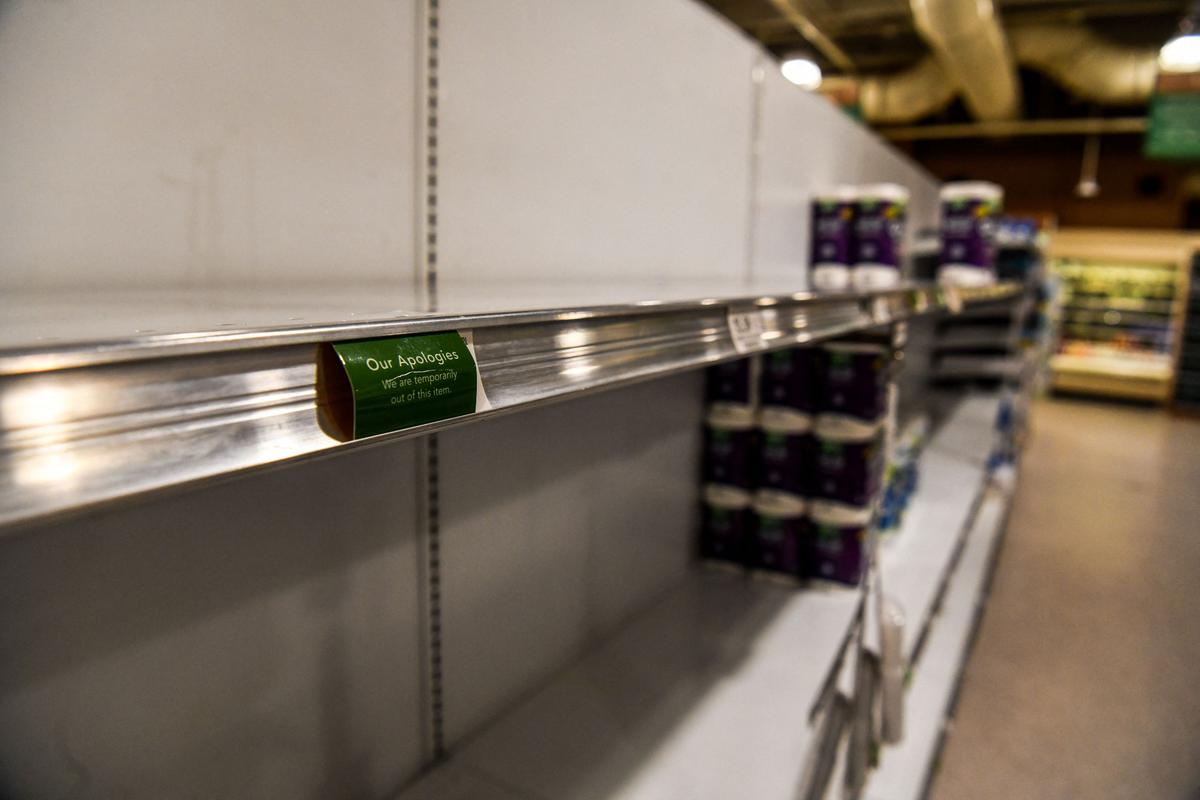
In the early weeks of these wild times, something unusual happened. You would go to the store and could not find toilet paper. You would go to another and it wasn’t there either. Hardly anyone actually stocks up on something that had always been available, so this was something of a shock. It came just as so much else seemed to be breaking, so it seemed in a sense like the world was falling apart.
Suddenly you were seeing toilet paper on sale for high figures on Facebook Marketplace. People were texting my phone with offers. Messages were coming in from all quarters wondering where they could get it. People were driving long distances just on a rumour that some was in stock somewhere.
Who knew just how thin the veneer of civilization truly was? People were losing their minds about what was surely a brief interruption in the availability of a product invented little more than 100 years ago, before which time people would use water or the “Farmer’s Almanac” hanging on the wall of the outhouse. Blech, but come on people!
Folks began to wonder how this had happened. The first theories involved supply chain breakages. Maybe truckers stopped showing up. Maybe we are more dependent on imports than we knew.
Or maybe bad people were stockpiling toilet paper. There were social media posts with pictures of people who had filled their entire garage with toilet paper, thus triggering genuine outrage. Stores that had toilet paper started rationing it. Or raising prices to effectively ration, thus prompting claims of gouging.
This went on for maybe two weeks of extreme deprivation and near panic. Had the forces of supply and demand broken? Was civilization utterly collapsing with this just as a first sign?
The actual explanation is both much simpler and more interesting. As it turns out, the workplace is where most people find the need for toilet paper. Workplace rolls are typically much different. They are industrial-sized rolls using machines wholly unlike anything one would use at home. They also use cheaper-quality paper.
But with millions suddenly working from home and avoiding the office altogether, the demand for workplace commercial varieties of toilet paper collapsed. Warehouses were stuffed with it but demand was nowhere in sight. Conversely, the demand for vast quantities of home use soared even as stay-at-home people decided to stock up. Experience suggests that households staying home will use about 40 percent more toilet paper of the type specifically manufactured for that purpose.
Most stores keep just enough to match supply and demand. Now we had a market shock. Even manufacturers had not prepared and suddenly faced a demand that they could not meet under normal production patterns. They certainly had not anticipated this.
The result was exactly as we saw. The markets had not broken. They were working entirely as they should. Manufacturers retooled and responded. Retailers rushed to stock up. In a few weeks, the panic died down and a new equilibrium was established.
What does this event teach us about economics? Everything. Higher demand and fixed supply drive shortages and higher prices. Higher prices with a premium over costs of production calls forth increased supply. This happens not instantly but in time, as fast as possible so long as the market is working.
Which is precisely why we need markets always to work. This was an unusual and dramatic change but actually the market as a driving force of production decisions operated with great elan and beauty.
As Adam Smith would say, it was almost like an invisible hand was in control. No one needed to know the names of the people running the paper mills and give them a call. We are all only consumers of the product. The prices alone do the work to nudge the producers and retailers in the right direction.
Prices are the signs and symbols of the dynamics of human life itself, instructing and revealing the secrets of the material world to entrepreneurs and managers.
Many societies in history have attempted to replace prices and markets with plans and commands. It works until there is a change in conditions. Here’s the rub: there is always change. Every day, every minute, there is change. The point of the institution of markets is to investigate and instantiate that change in signs and symbols to poke and nudge producers about the right path forward.
What seemed to many to be a major example of markets having broken was actually the opposite. It revealed how markets work brilliantly. Even the most extreme exogenous shock that no one anticipated only caused a fortnight-long disruption in a good that society had decided was essential to human well-being.
I highly regret what our central managers of the microbial kingdom did to us in those days. They are the villains in this story. The free market, on the other hand, is the hero. It adapted and served the human family with essential goods, not immediately but as quickly as humanly possible.
This is the real story of the great toilet-paper shortage of 2020. So many people say it as a failure of capitalistic forces when, in the instance of this product, really it was one of its greatest victories.